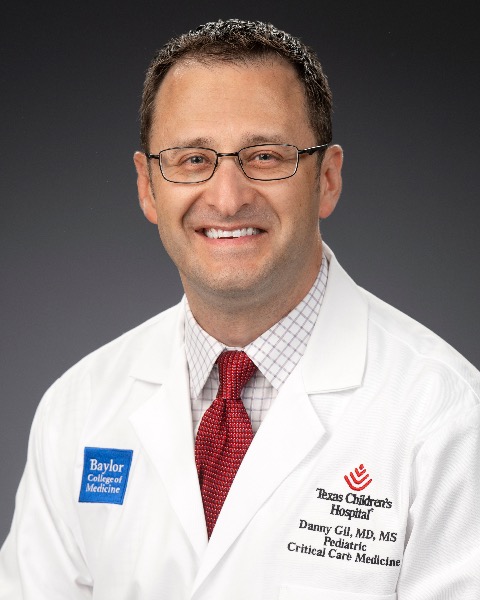
Assistant Professor Baylor College of Medicine / Texas Children's Hospital Houston, Texas, United States
Disclosure(s):
Danny Gil, MD: No financial relationships to disclose
Background: Adults with congenital heart disease (ACHD) are a rapidly growing population with rising intensive care unit (ICU) utilization. While many ICU admissions are post-procedural, a significant subset are unplanned medical admissions. We hypothesized that medical ICU admission would be associated with worse clinical outcomes compared to post-procedural admission.
Methods: We performed a retrospective analysis of unique adult (> 16 years) patients requiring ICU admission in the Texas Children’s Hospital ACHD unit between 1/2017 and 2/2024. Admissions were classified as medical or procedural (surgery or cardiac catheterization). Data collected included ACHD anatomic complexity, presence of preexisting myocardial dysfunction, arrhythmia, need for renal replace therapy (RRT), and infection at admission. Outcomes assessed were in-hospital mortality, need for mechanical ventilation (MV), need for vasoactive support, and ICU and hospital length of stay (LOS). Fisher’s exact test and Wilcoxon rank sum test analyses were used for descriptive analyses and we report number (proportion) or median (interquartile range). Multivariable logistic and linear regressions were used to calculate adjusted odds ratios (OR) or coefficients and 95% confidence intervals (95% CI).
Outcome: A total of 1,005 unique patients occurred during the study period. The overall median age at admission was 20 years with similar sex distributions. Mortality at discharge in the medical admission group was significantly greater than procedural group, 40/516 (7.8%) vs. 6/489 (1.2%), p < 0.001, with adjusted OR 0.21 (95% CI 0.08-0.57) comparing procedural to medical admission. The strongest hospital factors associated with mortality were need for MV (OR 6.41; 95% CI 3.05 – 13.49) and RRT (OR 14.08; 95% CI 5.68 – 34.90). Medical admission had significantly longer ICU (4d [1, 11]) and hospital (11d [5, 26]) LOS than procedural admission ICU (2d [1, 4]) and hospital (6d [4, 12]) LOS, all p < 0.001. With respect to hospital LOS, myocardial dysfunction and need for RRT had the greatest impact on ICU LOS (mean increase of 10.5 [95% CI 5.2 – 15.8] and 48.8 [95% CI 13.9 – 83.8] days, respectively) and hospital LOS (mean increase of 19.4 [95% CI 11.1 – 27.7] and 57.6 [17.7 – 97.5] days, respectively). The Need for MV and vasoactive support had a significantly but much smaller magnitude impact on LOS.
Conclusion: Medical ICU admission is strongly associated with mortality and increased ICU and hospital LOS among ACHD patients. The need for RRT and to a lesser extent MV were strongly associated with worse outcomes, implying that avoidance of renal and respiratory failure may be crucially impactful in improving ACHD ICU outcomes.