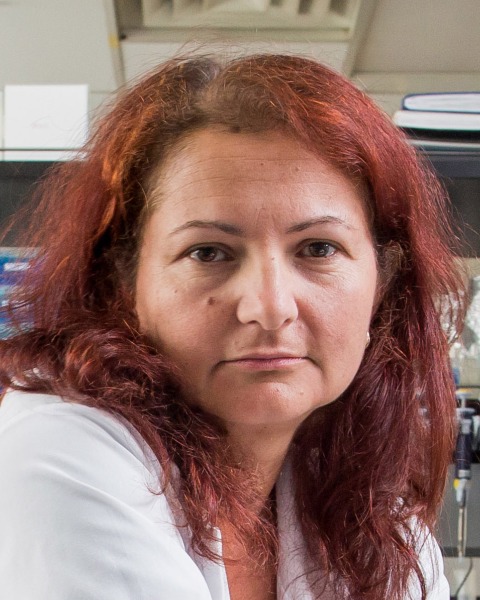
Associate Professor University Health Network Toronto, Ontario, Canada
Background: Cardiogenic shock (CS) is a proinflammatory state. Previous studies have evaluated cytokine profiles at CS onset, but no studies have evaluated the longitudinal changes of a comprehensive set of cytokines over the course of CS and the association of these changes with CS mortality.
Methods: We enrolled 283 patients with CS admitted to one of four quaternary care referral centers in the VANQUISH Shock multicenter cohort study from 2022-2025.All enrolled patients had peripheral blood obtained at CS onset, 24 hours after onset, and ICU discharge or death that was used to quantify the concentration of 48different cytokines via a multi-analyte Luminex assay. Mixed-effects models were used to quantify the interaction between cytokine trajectories and ultimate patient outcomes (death/LVAD/HTx vs. discharge alive). A P< 0.05 was considered significant for exploratory purposes.
Outcome: 190 male patients were enrolled (67 %), 54 with acute myocardial infarction (19 %) vs. 229 with non-acute MI heart failure (81%), majority (69%) were SCAI C, and in-hospital mortality was 13%. Levels of 11 cytokines largely related to innate immune activation increased significantly at the final timepoint in patients who died vs those discharged alive, including higher levels of G-CSF, M-CSF, MCP-1, MIG-CXCL9, IL-1RA, IL-6, IL-8, IL-15, IL-18, and TGF- α.
Conclusion: Patients who die from CS exhibit an increase in innate immune system activation in late CS that is not seen in survivors. These findings warrant further investigation to identify pro-inflammatory pathways which may inform risk stratification and tailored therapies in CS.